Cómo interpretar un borrador estético generado por IA antes de su consulta
Aprende qué buscar en una vista previa facial generada por IA, cómo difiere de los resultados reales y las preguntas clave que debes hacer al profesional.
FaceArchitect Editorial · Caymaz TechHealth
"Un borrador estético generado por IA es una vista previa estilizada que muestra cambios potenciales en las proporciones faciales. Es una herramienta ilustrativa, no un resultado garantizado. Úsalo para guiar tu consulta."
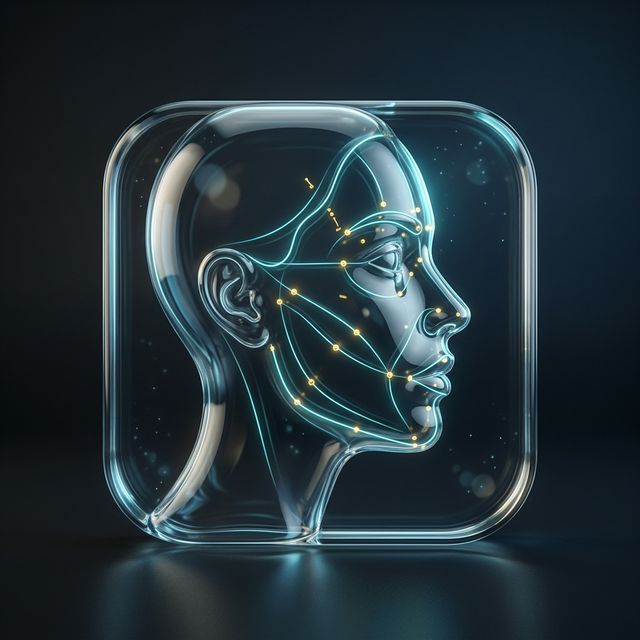
Before you step into a clinic, many patients receive an AI‑generated aesthetic draft. This preview is a computer‑generated image that shows how a provider might adjust facial proportions, volume, or contour. It is meant to spark discussion, not to promise a final look. The draft is produced by overlaying a stylized face onto a reference style that reflects common aesthetic goals, such as a more balanced brow, fuller cheeks, or a refined jawline. It can help patients articulate what they want and can help clinicians anticipate potential challenges. However, because the image is a stylized illustration, it does not capture the full range of individual variation. (facearchitect_learn_simulation) The AI uses a set of predefined aesthetic templates derived from a large database of successful outcomes. These templates are applied to your facial geometry to generate a quick visual concept. Patients often find this visual aid useful for comparing before and after scenarios, but it should never be treated as a definitive surgical or injection plan. The draft is a starting point, a conversation starter, and a way to set realistic expectations before any clinical decision is made. (facearchitect_learn_simulation)
Machine‑learning models that power the preview rely on a library of facial landmarks—points such as the inner eye corner, nasal tip, and mouth corner—to map the geometry of each face. Once the landmarks are identified, the algorithm applies typical aesthetic changes that have been statistically associated with perceived attractiveness. These changes include subtle adjustments to brow height, cheek volume, nasolabial folds, and jawline definition. The training set for these models contains thousands of faces, each labeled with aesthetic preferences and outcome data from real procedures. By learning patterns across this data, the AI can predict how a given set of landmark adjustments might alter the overall facial balance. (pubmed_facial_landmarks_ml) The process is fully automated, so the same template can be applied to any patient in seconds. The output is a stylized illustration that shows the potential result of a typical treatment plan, but it does not account for individual tissue characteristics or the clinician’s personal technique. The AI’s role is to provide a visual hypothesis, not a definitive prescription. (pubmed_facial_landmarks_ml)
The preview is based on statistical averages, so it may not capture subtle individual features such as skin texture, color, or dynamic expression. It also cannot model the effects of asymmetry that many patients have, nor can it predict how the face will move during speech or emotion. Because the AI does not have access to real‑time imaging of your skin or underlying anatomy, the final result will inevitably differ from the illustration. Studies have shown that even minor variations in skin quality can influence the choice of product and injection depth, which the preview cannot anticipate. (pubmed_gan_face_edit) Additionally, the simulation does not reflect potential complications or recovery time. For example, it cannot show the risk of bruising, swelling, or temporary nerve dysfunction that may arise from a particular injection site. Patients should therefore treat the preview as an educational tool rather than a predictive model of outcomes. (pubmed_gan_face_edit)
Algorithmic bias can also creep in. If the training data underrepresent certain ethnicities, the simulation may default to a more Eurocentric aesthetic. This can lead to unrealistic expectations for patients whose natural features differ from the majority of the dataset. It is therefore essential to discuss how the provider will tailor the plan to your heritage, skin tone, and facial structure. Recent research has highlighted the importance of diverse training sets for facial analysis algorithms, and clinicians should be aware of these limitations when interpreting the draft. (pubmed_facial_anthropometry) In practice, a skilled practitioner will adjust the AI‑suggested changes to preserve cultural and individual identity while achieving a harmonious result. Patients should ask whether the provider has experience working with similar ethnic backgrounds and whether the AI model includes data from diverse populations. (pubmed_facial_anthropometry)
A consultation is where the provider measures your face, reviews your goals, and explains how the AI suggestions translate into real injections or fillers. The draft should be a starting point for that conversation, not a final plan. During the visit, the clinician will perform a physical assessment, check for asymmetries, evaluate skin quality, and identify vascular and nerve landmarks. They will then explain how each suggested change can be achieved with specific products, injection techniques, and dosing. (asps_botox, asps_fillers) The clinician may also use additional imaging tools, such as ultrasound or 3‑D photography, to refine the plan. By combining the AI preview with hands‑on assessment, the provider can create a customized treatment strategy that aligns with your anatomy and desired outcome. (asps_botox, asps_fillers)
Look at the brow line, cheek hollows, and jawline in the draft. These are the landmarks the AI most often adjusts. If the preview shows a higher brow, ask whether that change is safe for your eye health and muscle function. A higher brow may reduce the distance between the brow and the upper eyelid, potentially affecting tear drainage or causing a hooded appearance if not balanced with other adjustments. (pubmed_botulinum_safety) Similarly, the AI may suggest increased cheek volume, but the clinician must consider whether the underlying bone structure can support that volume without causing a jarring effect. A refined jawline may require careful sculpting to avoid a too‑sharp profile that could alter the natural soft tissue dynamics. Discuss how each adjustment will be executed, what product will be used, and how the final shape will integrate with your overall facial harmony. (pubmed_botulinum_safety)
Key questions include: What is realistic for my skin type? How many sessions will be needed? What are the risks of vascular occlusion or nerve injury? The provider should answer using evidence from FDA and AAD guidelines. For example, the FDA label for botulinum toxin lists specific contraindications and adverse events, while the AAD provides recommendations for safe injection practices. Ask about the expected duration of results, whether touch‑ups are required, and how the plan will adapt to changes over time. (fda_botox_label, fda_dermal_fillers, aad_botox, aad_fillers) Also inquire about the provider’s track record with similar cases, their certification, and whether they use real‑time imaging to avoid complications. Understanding the evidence base behind each recommendation helps you make an informed decision and sets realistic expectations for the outcome. (fda_botox_label, fda_dermal_fillers, aad_botox, aad_fillers)
Finally, remember that the simulation is a tool, not a diagnosis. The provider will adjust the plan based on real‑time assessment, and the final outcome may differ from the preview. Use the draft to set expectations, not to lock in a fixed result. The clinician may modify the proposed changes to accommodate your unique anatomy, skin quality, and desired longevity. The AI draft should be seen as a visual hypothesis that can be refined during the consultation. (facearchitect_learn_medical) After the appointment, you can review the final plan and compare it to the initial preview to see how the treatment was adapted. This comparison can reinforce understanding of how clinical judgment and patient factors shape the final outcome, and it can help you communicate your preferences more clearly in future visits. (facearchitect_learn_medical)
Understanding the AI Preview Process
The preview is generated by aligning your face to a database of landmarks, then applying algorithmic adjustments. It shows a stylized version of how volume or shape might change. It is not a medical plan. (facearchitect_learn_simulation)
Key Landmark Areas to Focus On
Brow height, cheek volume, and jawline shape are the most common targets. The AI highlights these areas with subtle shading. Discuss each with your provider. (pubmed_facial_landmarks_ml)
What the Simulation Cannot Show
Dynamic expressions, skin elasticity, and individual asymmetry are not captured. The preview also does not reflect potential complications or recovery time. (pubmed_gan_face_edit)
Preparing for Your Consultation
Bring the AI draft to your appointment. Use it to list concerns and desired changes. Ask about the provider’s experience with similar cases. (asps_botox, asps_fillers)
FAQ
What is the accuracy of the AI preview?
Studies show automated landmark detection achieves about 95% accuracy, but individual results vary. (pubmed_facial_landmarks_ml)
Can the preview predict complications?
No. Complications depend on technique, anatomy, and product choice, which the AI does not model. (pubmed_ha_filler_complications)
How long does the preview stay available?
The simulation is stored for 30 days before automatic deletion. (facearchitect_privacy)
Is the AI preview a guarantee of the final look?
No. It is an illustrative tool; the final outcome will be determined during the clinical assessment. (facearchitect_learn_medical)
What should I ask my provider about the preview?
Ask how the suggested changes align with your anatomy, what risks exist, and how many sessions are expected. (fda_botox_label, fda_dermal_fillers)
Related reading
Sources
- FDA — BOTOX Cosmetic prescribing information
- FDA — Dermal Fillers (Soft Tissue Fillers)
- ASPS — Botulinum Toxin
- ASPS — Dermal Fillers
- AAD — Botulinum toxin
- AAD — Soft tissue fillers
- PubMed — Facial anthropometry and proportions
- PubMed — Generative models for facial image editing (overview context)
- PubMed — Automated facial landmark detection
- FaceArchitect — Privacy Policy
- FaceArchitect — Is face simulation medical advice?
Educational preview only. FaceArchitect does not provide medical diagnosis or treatment advice. Simulation assets follow a short retention window described in Privacy.
Try FaceArchitect
Run your own educational simulation in the app. Credits deduct only when AI work runs.