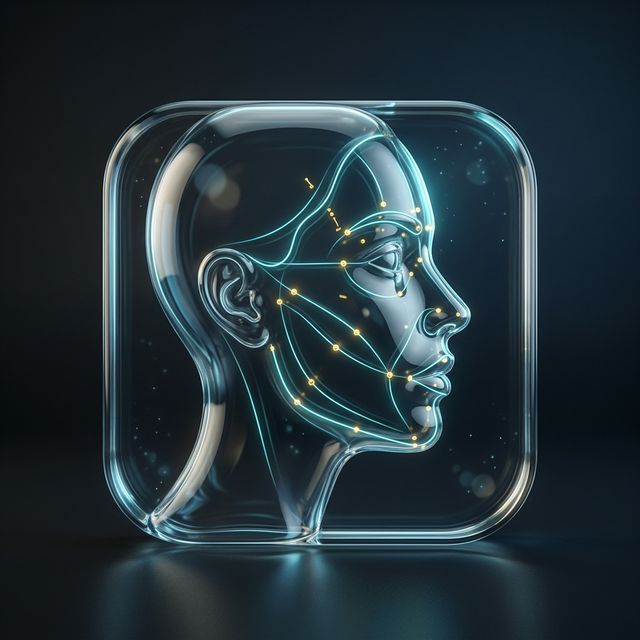
Predictive Aesthetics: How Deep Learning Simulates Facial Treatment Results
Predictive aesthetics uses deep learning to simulate how volume or muscle changes alter facial shadows. Useful for education, but biology dictates real outcomes
FaceArchitect Editorial · Caymaz TechHealth
"Predictive aesthetics is a fancy label for show-me-a-draft. The model guesses how volume or softer muscle cues might shift shadows on your face. Handy for education. Biology still runs the real show."
How does deep learning simulate aesthetic treatments?
The network stares at pixels: shadows, highlights, edges. Ask for a filler-style change and it redraws those cues from patterns it saw in training. You get a still that tries to keep the lighting honest with the new shape.
Can AI predict volume loss and aging patterns?
Some pipelines nudge the same landmark map along aging vectors. Mid-face support often shows up first in those sketches. Useful for a "what if" chat. Not a prophecy about your collagen.
What are the limitations of AI aesthetic simulations?
Healing speed, health, and how a filler feels under the skin aren't in the pixels. Treat every render as a scenario. Talk to a licensed professional before you treat it as a plan.
Educational preview only. FaceArchitect does not provide medical diagnosis or treatment advice. Simulation assets follow a short retention window described in Privacy.
Try FaceArchitect
Run your own educational simulation in the app. Credits deduct only when AI work runs.