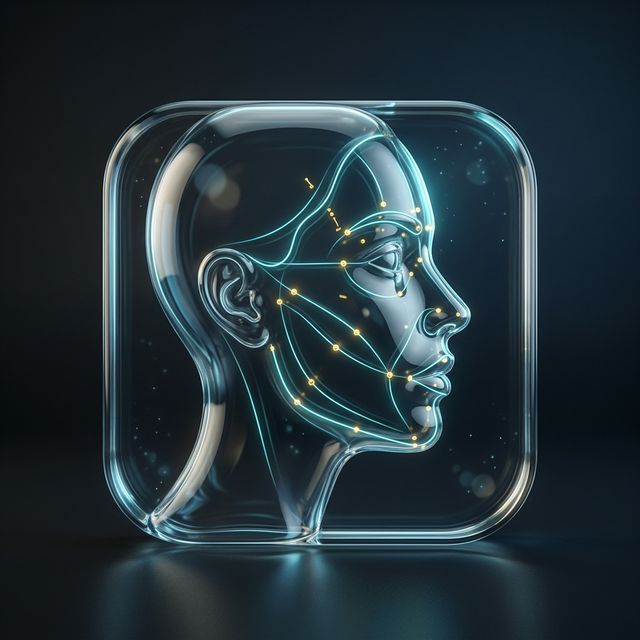
Ein AI-Ästhetik-Entwurf vor Ihrer Beratung lesen
Lernen Sie, wie Sie KI-generierte ästhetische Entwürfe vor Ihrer Beratung interpretieren, um realistische Erwartungen und fundierte Entscheidungen zu treffen.
FaceArchitect Editorial · Caymaz TechHealth
"Ein AI-Ästhetik-Entwurf ist eine computergenerierte Vorschau darauf, wie ein Verfahren dein Aussehen verändern könnte. Nutze ihn, um realistische Erwartungen zu setzen, mit deinen Zielen zu vergleichen und mögliche Risiken mit deinem Anbieter zu besprechen. Er zeigt Möglichkeiten, keine garantierten Ergebnisse."
Artificial intelligence has entered the aesthetic clinic in a new form: a visual draft that shows a possible outcome before any needle is inserted. These drafts are built from a database of photos, 3-D models, and patient-specific measurements. They give you a preview of changes in shape, volume, and symmetry, helping you decide whether a treatment aligns with your personal goals. While the images can be striking, they are simulations, not guarantees. Understanding this distinction is the first step toward making an informed decision.
The AI engine behind the draft uses facial landmark detection to map key points such as the inner eye corners, nasolabial folds, and jawline. Machine-learning algorithms then apply statistical models of typical aesthetic outcomes to those landmarks. The result is a side-by-side comparison of your current face and the projected look after the proposed procedure. Because the model is trained on thousands of cases, it can predict how volume changes or muscle relaxation will affect overall balance. Yet the algorithm cannot anticipate individual variations such as skin elasticity or unique anatomy.
Because the draft is a statistical projection, it may not capture subtle nuances like skin texture or the way light falls on your features. Some providers use it as a conversation starter, while others may rely on it for dosage decisions. If you notice a discrepancy between the draft and your own perception, bring it up during the visit. The goal is to refine the model with your feedback, not to accept a one-size-fits-all prediction. Remember, your provider will still need to assess you in person before deciding on the final plan.
When reviewing a draft, pay attention to four core aspects: symmetry, proportion, volume, and texture. Symmetry refers to how evenly your facial features align across the midline. Proportion looks at the relative distances between key points, such as the space between your eyes and the width of your nose. Volume changes are most obvious in areas like the cheeks or lips, and the draft will show whether these areas appear fuller or slimmer. Texture, while harder to judge in a still image, can hint at how a filler might settle or how Botox might smooth fine lines.
Realistic expectations come from understanding typical timelines. Botox effects usually begin 3-5 days after injection and peak around 2 weeks, lasting 3-4 months. Dermal fillers show immediate results, but swelling may take a few days to settle. Over time, the body absorbs the product, and touch-ups may be needed. By comparing the draft to these time-based outcomes, you can better gauge how the final look will evolve and when you might need maintenance.
Safety data are a key part of the decision. The FDA label for Botox cites a 0.5% incidence of transient weakness in adjacent muscles, while the dermal filler overview lists a 0.3% risk of vascular occlusion. Patient education resources from ASPS and AAD note that most complications are mild and reversible. Knowing these statistics helps you weigh risk against benefit and discuss realistic recovery plans with your provider.
During the consultation, use the draft as a visual aid. Ask your clinician to point out which elements align with your goals and which may need adjustment. Bring up any concerns you have about volume or symmetry. A well-Prepared patient can steer the conversation toward evidence-based options rather than wishful thinking. The draft should be a starting point for a dialogue, not a final verdict.
FaceArchitect, a popular AI simulation platform, stores your images only for the duration of the session and deletes them afterward. The privacy policy states that data is retained for a short period and used solely for generating the preview. No third-party sharing occurs unless you explicitly opt in. Understanding these safeguards helps you feel confident that your personal data remains protected during the preview process.
The platform also makes it clear that simulations are educational tools, not medical advice. The learning page explains that the images are illustrative and should not replace a professional assessment, and that the simulation is not a diagnosis. By keeping this distinction in mind, you prevent overreliance on the draft and ensure that the final decision rests on a thorough clinical evaluation.
In practice, read the draft, note the numbers that matter, and bring them to your appointment. Ask the clinician why a particular change looks different than you expected. Use the data to negotiate a plan that balances aesthetic goals with safety. The draft is a tool to empower you, not a promise of perfection.
What Is an AI Aesthetic Draft?
An AI aesthetic draft is a computer-generated image that predicts how a facial procedure might alter your appearance. It is built from statistical models of thousands of treated patients. The draft provides a visual reference but does not guarantee clinical outcomes.
How to Critically Evaluate the Draft
Compare the draft to your own facial landmarks and ask whether symmetry and proportions feel natural. Check that volume changes align with realistic skin behavior and that texture differences are plausible. If any element seems exaggerated, bring it up with your provider.
Integrating the Draft Into Your Consultation
Use the draft as a visual aid during the discussion and ask for explanations of each change. Discuss timelines, safety data, and maintenance needs based on the preview. Confirm that the final plan reflects both your aesthetic goals and evidence-based risk assessment.
Privacy and Ethical Considerations
The platform retains images briefly and does not share them without consent, as stated in its privacy policy. Simulations are educational, not diagnostic, and should not replace a clinical evaluation. Always verify that your data usage aligns with the platform’s stated practices.
FAQ
What does an AI aesthetic draft show me?
It shows a simulated outcome of the procedure based on your facial measurements. It is not a guarantee of final results but helps set realistic expectations.
Can I rely on the draft for dosing decisions?
The draft gives a visual idea, but the clinician will still need to assess you physically before deciding on dosage.
What are the risks mentioned in the draft?
The draft may highlight potential changes, but safety data such as a 0.5% risk of muscle weakness with Botox or a 0.3% risk of vascular occlusion with dermal fillers should be discussed with your provider.
How long does it take for results to appear?
Botox typically shows effects within 3-5 days, peaking at 2 weeks, while fillers show immediate changes that may settle over a few days.
Is the AI draft legally binding?
No, it is an educational tool and does not constitute a medical contract or guarantee. Final decisions rest on clinical evaluation.
Related reading
Sources
- FDA — BOTOX Cosmetic prescribing information
- FDA — Dermal Fillers (Soft Tissue Fillers)
- PubMed — Safety of botulinum toxin type A in facial aesthetics
- FaceArchitect — Privacy Policy
- FaceArchitect — Is face simulation medical advice?
- FaceArchitect — What is AI aesthetic simulation?
- ASPS — Botulinum Toxin
- ASPS — Dermal Fillers
Educational preview only. FaceArchitect does not provide medical diagnosis or treatment advice. Simulation assets follow a short retention window described in Privacy.
Try FaceArchitect
Run your own educational simulation in the app. Credits deduct only when AI work runs.